
Invitation to The Dance
Examining the DNA of Great Symphonic Ballets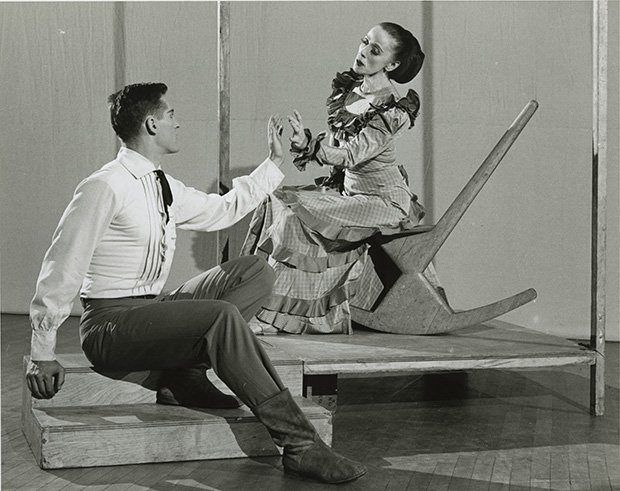
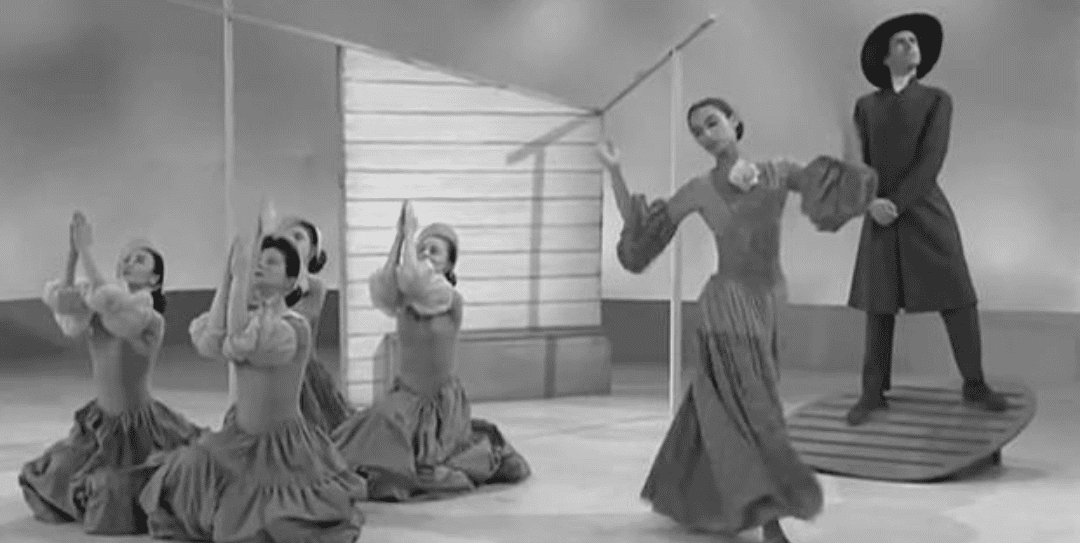
Erick Hawkins and Martha Graham in the landmark production of Aaron Copland’s “Appalachian Spring,” featuring the original set design by Isamu Noguchi.
Before coming under the baton, some of the most beloved works in the concert hall begin life at the barre. Heifetz President & CEO Benjamin K. Roe leads a six-part course that examines the ‘ballet bones” of six symphonic masterpieces, including rare video footage of the original choreography. We’ll examine Tchaikovsky’s Swan Lake, Ravel’s Daphnis et Chloé, Prokofiev’s Romeo & Juliet, Copland’s Appalachian Spring, as well as The Firebird and Rite of Spring by Stravinsky. The course is offered by the Osher Lifelong Learning Institute (OLLI) at the University of Virginia and University of Richmond.
Course Outline
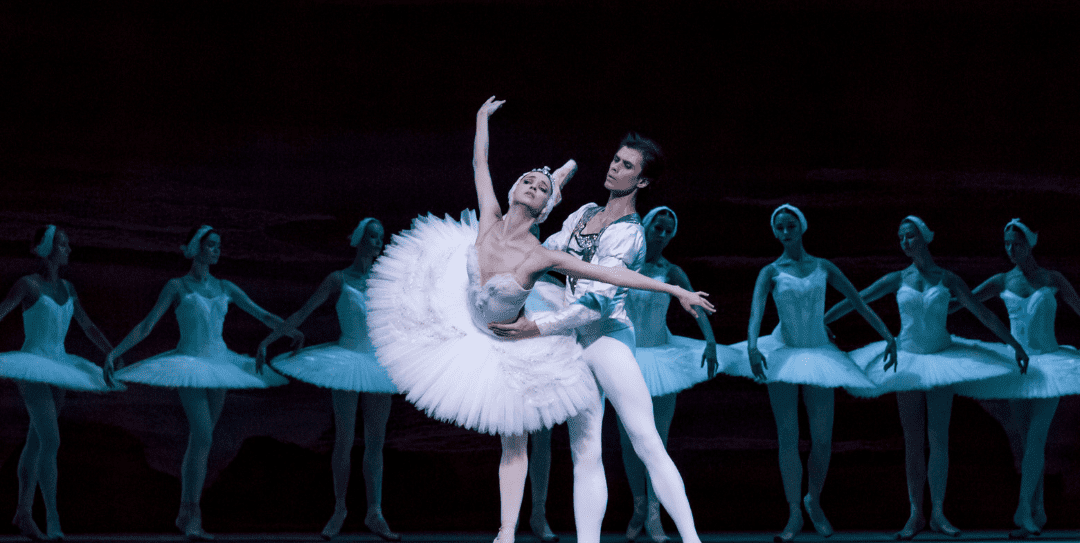
1. Swan Lake: The Long Journey to a Masterpiece
Today, Swan Lake is considered the quintessential ballet, as well as a staple of the concert hall. From its wellspring of childhood inspiration, Tchaikovsky’s creation had a long, meandering flow full of twists and turns on its way to becoming a lakeside masterpiece! Learn more
In seeking to transform the music of the ballet from a grand decorative gesture into an essential component of the drama on stage, Tchaikovsky revolutionized the art of composing for the dance.
– Ted Libbey, The NPR Guide
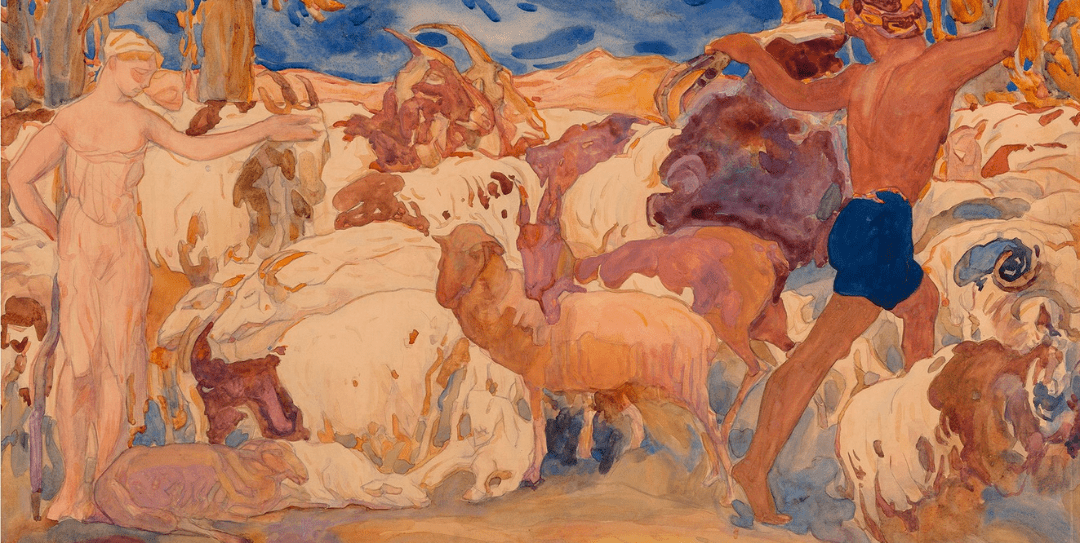
2. Daphnis et Chloé: Ravel’s “Choreographic Symphony“
Commissioned with much fanfare by the hotter-than-hot Ballet Russes, Maurice Ravel’s sprawling and sensuous score failed its initial “barre exam,” but went on to become a hit in the concert-hall. We’ll explore the star-crossed beginnings and latter-day success of the longest piece in Ravel’s canon. Learn more
The Ballets Russes—with [Sergei] Diaghilev as director, Michel Fokine as choreographer, Léon Bakst as designer—had arrived in Paris in 1909, and a commission from the company was a signal that a composer had arrived at the summit of cultural life in the city that prided itself as the summit of culture.”
– Critic and author James Keller
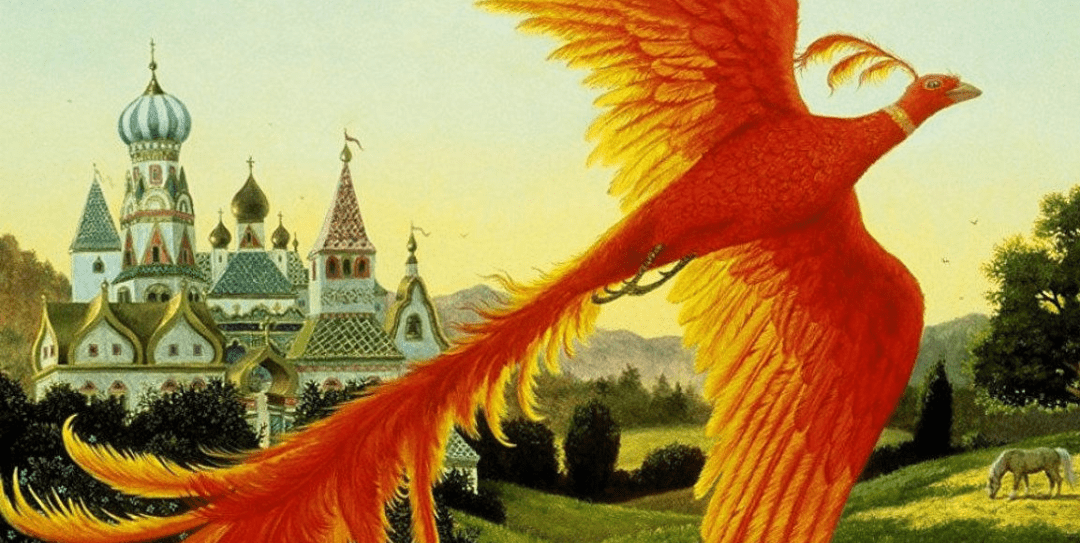
3. The Firebird: Stravinsky Sets the Bar(re)
We’ll explore the 1910 ballet by Igor Stravinsky that was the first in a series of commissions from Sergei Diaghlev’s Ballet Russes that launched the composer’s six-decade career in the public spotlight. Learn more
“I need a ballet and a Russian one – the first Russian ballet, since there is no such thing. There is Russian opera, Russian symphony, Russian song, Russian dance, Russian rhythm, – but no Russian ballet. And that is precisely what I need – to perform in May of the coming year at the Paris Grand Opera and the huge Drury Lane Theatre in London. The libretto is ready. Fokine has it. It was dreamed up by all of us collectively. It’s The Firebird – a ballet in one act and perhaps two scenes.”
– Impresario Sergei Diaghilev
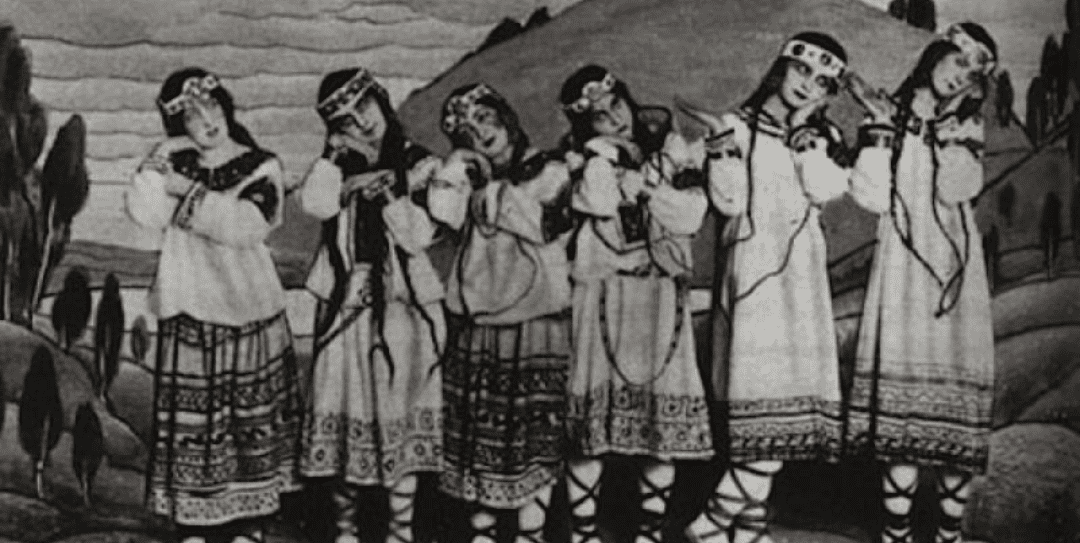
4. The Rite of Spring: Stravinsky’s Misunderstood Shocker
“I think the whole thing has been done by four idiots: First, M. Stravinsky who wrote the music. Second, M. Roerich who designed the scenery and the costumes. Third, M. Nijinsky who composed the dances. Fourth M. Diaghilev, who wasted money on it.”
– Ballet Russes master Enrico Cecchetti
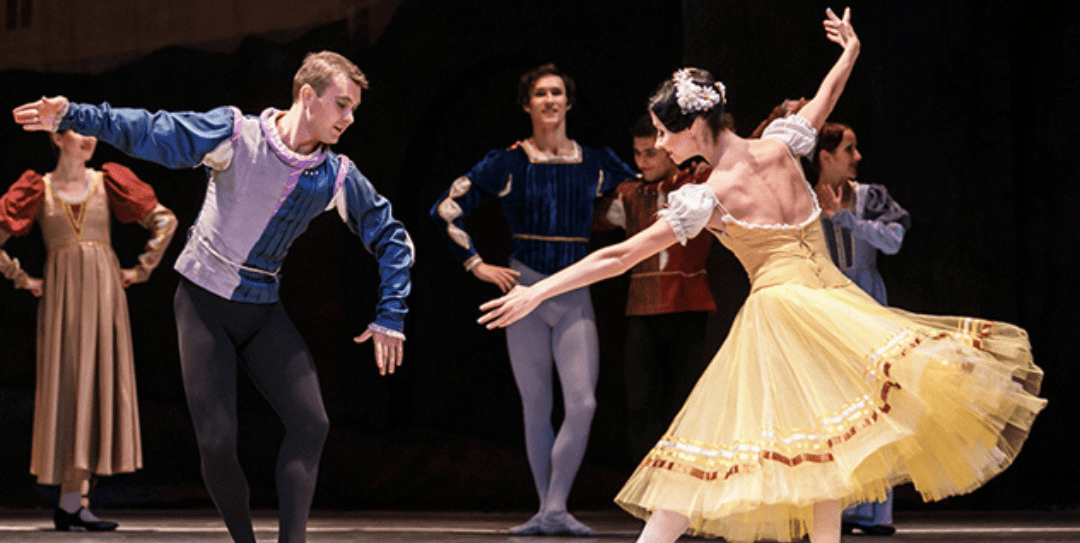
5. Romeo and Juliet: Shakespeare in the Era of Socialist Realism